
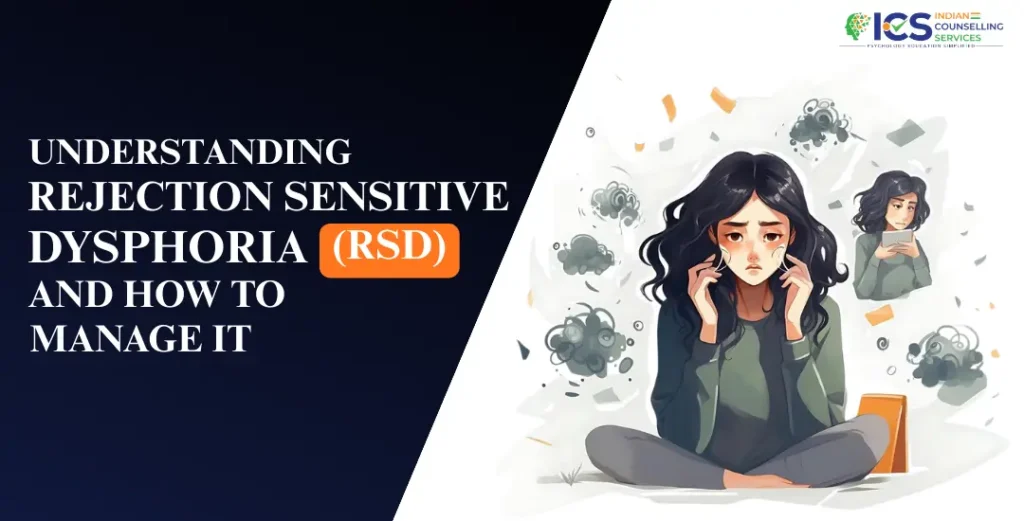
Rejection Sensitive Dysphoria (RSD) is a severe emotional reaction to apparent rejection, criticism, or failure. Although it is not a proper diagnosis, it is well-known in clinical practice, especially with individuals with ADHD and neurodivergent profiles. RSD may have a great impact on relationships, work performance, and self-esteem, and the awareness and management approaches are critical. The ideas around RSD are now being discussed in higher levels of training, like clinical psychology classes, in which emotional regulation and neurodevelopmental variations are the most important points.
What Is Rejection Sensitive Dysphoria (RSD)?
Rejection Sensitive Dysphoria is a severe pain of an emotional nature caused by actual or perceived rejection. The response is usually abrupt, excessive, and out of proportion.
Patients with RSD can be deeply affected with shame, sadness, anger, or emotional shutdown in response to feedback or interpersonal conflict. These reactions are not sensitive or weak, but a neurobiological response associated with dissimilarities in emotional control.
Who Commonly Experiences RSD?
RSD is most likely to be linked with ADHD; it may also be observed in people with autism, mood disorders, or a history of relational trauma.
Adults who are diagnosed very late tend to report life patterns of rejection sensitivity in that they have internalized repeated experiences of misunderstanding or criticism. This situation is critical to understand in order to decrease self-blame and cultivate self-compassion.
Common Signs and Emotional Patterns of RSD
The manifestation of RSD in each patient varies; however, there are several common patterns of emotions and behaviors.
- People can have severe emotional pain after gentle reproach, noncritical responses, or the feeling of being disapproved.
- It is a desire to withdraw, to people-please, or even to shut down emotionally that one may often have as a way of not being rejected further.
- Others react violently in anger or on the defensive as a safeguard mechanism against emotional distress.
- Constant fear of being rejected can cause one to avoid opportunities, people, or expressing oneself.
The awareness of these trends is the initial step to successful management.
Why RSD Feels So Overwhelming
RSD reactions lie in the emotional regulation and threat perception variations. Rejection can be perceived by the brain as a danger, and this causes a rapid response of stress.
This reaction does not involve rational thought, and that is why reassurance can be useless at that particular time. Different training programs like those in clinical psychology address the intersection of neurobiology, cognition and emotional processing in disorders like RSD.
The Impact of RSD on Daily Life
Uncontrolled RSD has the potential of influencing several aspects of life to a great extent.
At work, a person might have issues with the feedback, his/her performance, or teamwork. RSD may cause the wrong tone to be understood in relationships, withdrawal, or emotional instability.
Repeated emotional pain, therefore, will lead to anxiety, depression, or burnout unless effectively dealt with over time.
How RSD Is Managed in Clinical Practice
RSD has no mono-therapy, but a combination of therapeutic measures may be effective.
- The emotional regulation strategies are applied to assist individuals in being aware of and calming down the nervous system activation before it becomes too intense.
- Cognitive approaches assist in the reinterpretation of distorted meanings of rejection but not the invalidation of emotional experience.
- Behavioral interventions are aimed at the reduction of avoidance and the development of tolerance of feedback in positive ways.
- In other instances, ADHD medication can indirectly decrease the level of RSD through the regulation of emotion.
Such methods are usually imparted and perfected in clinical psychology disciplines, where delicate emotional displays are dealt with.
Self-Management Strategies for Living With RSD
People can create effective measures that can help to prevent the effects of RSD in everyday life.
- Exercising emotional labeling assists in generating abstraction between the stimulus and the emotional response.
- Writing scripts on how to react to feedback situations decreases the anticipatory anxiety and the emotional load.
- The development of self-compassion practices overcomes internalized shame associated with perceived rejection.
- The development of a recovery routine enables emotional intensity to go through without self-criticism.
It should be consistent and patient because the management of RSD is based on regulation and not eradication.
The Importance of Psychoeducation and Validation
The state of knowledge about RSD itself can be very healing. A lot of people even feel relieved at a point where they understand that their reactions are neurological.
Validation minimizes shame and pushes a person to have relevant support instead of internalizing the feelings. The focus on psychoeducation is one of the main aspects of professional mental health education, such as clinical psychology courses.
When to Seek Professional Support
When RSD causes a lot of interference with functioning or relationships, it is advisable that professional support is sought.
Psychologists and counselors can assist a person to distinguish between perceived and actual rejection, and the emotional reality should be respected. The regulating, communicative, and self-advocacy skills are practiced in a safe setting through therapy.
Final Thoughts
Rejection Sensitive Dysphoria is an emotionally devastating yet misconceived event. By acknowledging RSD as a neurobiological consequence but not a character defect, people can be able to find a way to deal with healing compassionately and clearly. Time can also be used to effectively manage emotional responses with proper strategies, support, and education. As the awareness grows, problems like RSD are starting to be introduced in clinical psychology courses, and this will make professionals able to provide informed and sensitive care to neurodivergent individuals experiencing the effects of rejection.
FAQs (Frequently Asked Questions)
Is Rejection Sensitive Dysphoria a formal diagnosis?
No, RSD is not a formal diagnosis, but it is widely recognized in clinical practice, especially in ADHD-related care.
Is RSD only associated with ADHD?
RSD is most common in ADHD but can also appear in individuals with autism, trauma histories, or mood disorders.
Can RSD be treated?
RSD cannot be “cured,” but it can be effectively managed through therapy, emotional regulation strategies, and self-awareness.
Does medication help with RSD?
Medication for ADHD may reduce emotional intensity for some individuals, though it is not a standalone treatment for RSD.
Can therapy help with rejection sensitivity?
Yes, therapy can help individuals understand triggers, regulate emotions, and develop healthier responses to perceived rejection.
Do psychology students learn about RSD?
Yes, emotional regulation and neurodiversity topics like RSD are increasingly covered in clinical psychology courses.