
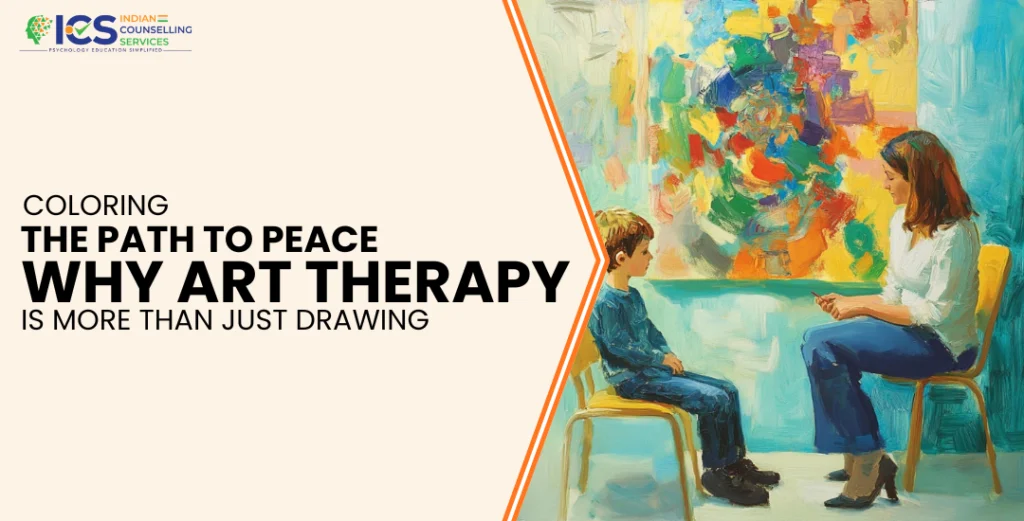
Art therapy is a strong substitute in a world where words frequently fall short in providing an in-depth view of how humans feel. It is not mere drawing or painting but a method through which people may explore, express, and recover.
With mental health issues on the upswing even in 2026, with Gen Z and Millennials facing a higher volume of issues, there is an increasing trend toward non-verbal and creative methodologies in therapy. One of the most efficient measures to reach the emotions that are hard to speak of is art therapy.
To the individuals who are interested in learning or applying this method, an art therapy course offers formal education in utilizing creativity as a medicine.
What Is Art Therapy?
Art therapy is psychotherapy that involves the use of artistic expression to help people with their emotional, psychological, and mental health.
It is not all about the ability to draw or produce something that is visually impressive. Rather, emphasis on the process of creation and the meaning behind the creation is the center of interest.
By using activities based on drawing or painting, sculpting, or collage-making, one can:
- Use emotions that are not easily described, and more so when communicating verbally is overwhelming or constrained.
- Discover the unconscious and inner struggles without evaluation and criticism.
- Gain a better insight into their inner worlds using images.
This renders the art therapy particularly important with respect to those who find it hard to engage in conventional talk therapy.
What Is Art Therapy?
Art therapy is psychotherapy that involves the use of artistic expression to help people with their emotional, psychological, and mental health.
It is not all about the ability to draw or produce something that is visually impressive. Rather, emphasis on the process of creation and the meaning behind the creation is the center of interest.
By using activities based on drawing or painting, sculpting, or collage-making, one can:
- Use emotions that are not easily described, and more so when communicating verbally is overwhelming or constrained.
- Discover the unconscious and inner struggles without evaluation and criticism.
- Gain a better insight into their inner worlds using images.
This renders the art therapy particularly important with respect to those who find it hard to engage in conventional talk therapy.
Why Art Therapy Is More Than “Just Drawing”
The other major myth about art therapy is that it is just a recreational or relaxing activity.
As a matter of fact, it is an informed practice using psychology, creativity, and clinically informed therapeutic methods.
Art therapy works because:
- It also involves various sections of the brain, with some of them being associated with emotion, memory, and processing sensory information, thus enabling deeper access to emotions.
- It goes around the defenses and mental filters, and it assists people in revealing thoughts that they can be unaware of.
- It generates a psychological distance that allows one to deal with hard-to-feel emotions without feeling overwhelmed.
That is why art therapy is referred to as a backdoor to emotional healing.
The Science Behind Creative Expression
Research in psychology and neuroscience suggests that creative expression can have a direct impact on emotional regulation and stress reduction.
Whenever one becomes involved in the art-making:
- Stress response in the brain might be reduced, and this assists in lowering anxiety and tension.
- The connections in processing emotions become more flowing, and unresolved emotions become aired safely.
- Feelings of control and achievement may enhance the mood and self-esteem.
All these effects render the art therapy especially effective in addressing contemporary mental health issues, including burnout, anxiety, and emotional numbness.
Who Can Benefit from Art Therapy?
Art therapy is extremely flexible and may help people of various ages and circumstances in life.
- Children who find it difficult to express themselves through the use of words are able to use art as a natural way of communicating and expressing themselves.
- Art therapy can be less threatening than counseling to the teenager experiencing problems with identity, peer pressure, or emotional confusion.
- Creative expression can be used by adults under stress and experiencing trauma or burnout to work out complicated emotions.
- Anxiety or depressed people can alleviate their condition by calming down and grounding themselves through art-making.
Art therapy can be adapted to the needs of a wide range of clients due to its non-verbal and adaptable nature.
Common Art Therapy Techniques
Art therapy consists of both structured and open-ended activities aimed at investigating emotions and experiences.
Free Drawing or Painting: This method enables one to produce without any guidelines or anticipations.
It promotes the immediate outburst of expression, which assists in discovering thoughts and feelings that might be buried on the surface.
Emotion-Based Art: People are directed to depict certain emotions, e.g., anger, sadness, or happiness, with the help of colors, shapes, or pictures.
This assists in creating emotional sensitivity and intimacy.
Collage and Symbolism: Through the usage of pictures, surfaces, and symbols, people develop visual aids of their ideas or experiences.
It is a methodology that is especially useful with identity and personal narratives.
Guided Imagery Art: The therapist can take one through a visualization process, after which the person can create art out of that experience.
This may assist in accessing the greater subconscious.
Art Therapy in the Indian Context
Mental health discussion in India is shifting, yet in most parts, there is still stigma.
Art therapy provides an easier point of entry to mental health care because some people might be reluctant to attend traditional therapy.
Art-based interventions are being integrated gradually into schools, wellness institutions, and counseling practices with the view of boosting emotional health.
With the growing awareness, people are becoming more interested in professional training in the form of, say, an art therapy course, which can provide a person with the competence necessary to use these techniques in an ethical and efficient manner.
The Role of the Therapist
Although in art therapy the creative expression is completed, a trained therapist is necessary.
The therapist helps:
- Provide a good and secure setting to express.
- Critically evaluate concepts and themes in the piece of art.
- Help people move towards wisdom and emotional knowledge.
- Make sure that it is not a daunting process.
It is this organized assistance that makes art therapy and art activities different.
Art Therapy vs. Art as a Hobby
Art therapy and casual art-making are used differently, whereas both are related to the use of creativity.
Hobby artwork is oriented on fun, rest, or mastery. Art therapy, however, is purposeful and directed toward psychological theories.
- Art therapy deals with emotional sense, whereas hobbies are all about aesthetics or technique.
- Art therapy implies reflection and discussion, whereas hobbies might not involve further analysis.
- Through art therapy, a professional adept at the task provides emotional security and development.
This distinction can be used to explain why art therapy is an acceptable therapeutic process.
Why Art Therapy Matters in 2026
Living in a hectic, computer-oriented world, a lot of people are not concerned with their emotions.
It may be hard to take a moment and reflect in constant stimulation, social comparison, and performance pressure.
Through art therapy, a person has an opportunity to take a pause, reconnect, and engage in emotions with meaning.
It is stimulating the people to:
- Get more conscious of what goes on inside their beings.
- Speak out without having complexes.
- Develop emotional strength and better insight.
These are the skills that are necessary in modern life.
FAQs (Frequently Asked Questions)
Do I need to be good at art to try art therapy?
No. Art therapy is not about artistic skill. It focuses on expression and emotional exploration, not the quality of the artwork.
Is art therapy effective for anxiety and stress?
Yes. Art therapy can help reduce stress, improve emotional regulation, and provide a safe outlet for expressing difficult feelings.
Can children benefit from art therapy?
Absolutely. Children often find it easier to express emotions through art than through words, making art therapy highly effective for them.
What will I learn in an art therapy course?
An art therapy course teaches psychological foundations, creative techniques, and ethical practices needed to use art as a therapeutic tool.