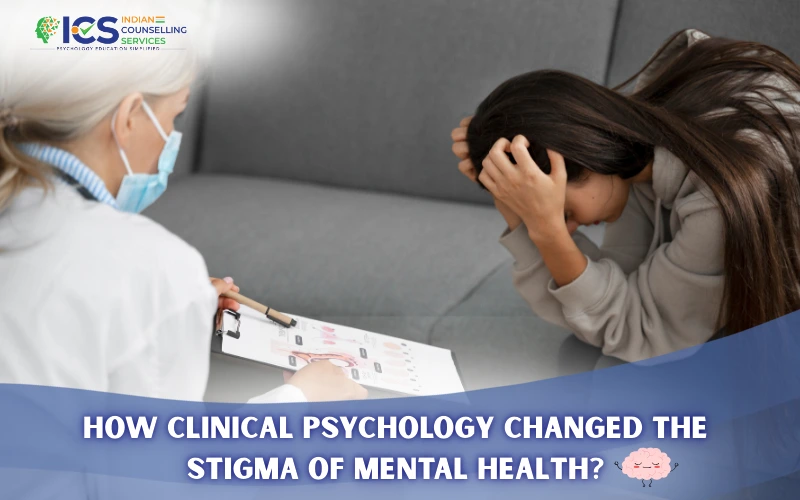
In our daily life, how many times we say “Just pull yourself together”, or “Don’t be so sensitive” without realizing that it’s the stigma revolving around our mental health. We feel it’s normal to think in that way, but in reality, we are dismissing feelings of anxiety or sadness, considering it’s a sign of “weakness”. Those hidden thoughts of anxiety or sadness make you so emotionally weak from the inside that you do not even realise how much you need help.
The stigma not only worsens your mental health condition but also makes you suffer in silence due to fear of shame or rejection. At the same time, however, with the rise of clinical psychology comes an opportunity to alter long-held views about mental health – changing old conceptions by helping individuals to comprehend that it deserves care and consideration just like physical wellbeing.
Furthermore, training through a Diploma in Clinical Psychology equips individuals to help bring about this essential transformation. This blog takes an in-depth look at this development.
Understanding the Stigma: Why Mental Health Was Misunderstood
We have come so far from what kind of stigma used to exist some years back, especially in India. Although some progress has been achieved, many still adhere to outdated ideas without fully realising it:
Historical Context:
Mental illness was traditionally misunderstood as something “wrong” with someone’s character rather than as an illness affecting health, with individuals who behaved in unusual ways often being accused of “madness”, “pagal”, or instability rather than understood as someone experiencing depression, psychosis, anxiety or another form of distress. Families may keep members living with conditions hidden indoors to reduce stigma, as opposed to discussing it openly for fear of “log kya kahenge”.
Myths and fears that stopped people from getting help:
Due to this misperception, those suffering panic attacks or intense sadness may remain silent, thinking “it isn’t that serious”, delaying seeking professional assistance for themselves. “If you are strong, then it will all work itself out on its own.” Many teens and adults believe that talking to a therapist or crying due to emotional struggles makes them weak or “too sensitive”. They try hard not to show it.
Lasting impact on individuals and families in India
Stigma affects more than just feelings; it transforms lives and decisions. Many children grow up believing they must “live with” their pain; others live with depression for extended periods without seeking medical help, thinking it’s simply part of who they are to feel sad or vulnerable.
Families may avoid discussing mental health, resulting in silence and miscommunications between members. A parent might chide their child for “overreacting”, rather than asking, “What are you going through?” A spouse might dismiss any signs of anxiety or postpartum depression by labelling their partner “overdramatic”.
Stigma makes people less likely to seek professional assistance for mental health conditions; thus, resulting in underutilised and underdeveloped services for mental wellbeing.
Key Ways Clinical Psychology Reduces Stigma
Clinical psychology utilises research-backed approaches to understand and treat mental health disorders. By treating mental illnesses as physical illnesses would, clinical psychology helps change people’s perspectives while decreasing fear and judgment of individuals experiencing such conditions.
More people undergoing therapy creates greater awareness among clinical psychologists, promoting an environment in which talking about feelings and seeking assistance are seen as the norm, thereby encouraging more individuals to come forward for help.
Clinical psychologists frequently organise workshops, talks, and awareness campaigns that demystify mental health issues for families, schools, workplaces and workers – helping dispel myths and fears and promote understanding and acceptance within communities.
Clinical psychology offers early recognition and treatment of mental illnesses to protect them from worsening, while simultaneously dispelling fear and stigma by showing that mental wellbeing can be managed and enhanced like physical wellbeing.
Courses like the Diploma in Clinical Psychology help develop skilled professionals who can increase mental health literacy across India. More qualified psychologists lead to improved support systems and increased acceptance for mental healthcare services.
Conclusion
Clinical psychology has played a crucial part in destigmatising mental health problems all these years. Through professional training, public awareness, and educating more mental health professionals in the coming years, not only can we reduce stigma around us, but also make mental health matters safer and more accessible all across the globe.
Opting to pursue clinical psychology is more than choosing a career; it is taking on an obligation to heal both individual and collective minds. You have the chance to become a change agent and be an example for mental wellness worldwide.
How Our Diploma In Clinical Psychology Helps You Create Change
Does India’s growing mental health revolution inspire you? Consider enrolling in our Diploma in Clinical Psychology Course! You will acquire the knowledge, skills, and confidence needed to make a real, impactful difference within your own community while contributing to India’s growing mental health revolution.
Take the first step now–join the Indian Counselling Services Diploma of Clinical Psychology course and become a part of reducing the stigma around mental health!