From a counsellor’s point of view, anger and stress are as common as happiness and excitement. They are nothing more than natural emotional responses that could be shown when a person finds himself stuck in a challenging or threatening situation. Although these responses are entirely normal, one should also know that excessive stress and anger issues can bring various mental and physical health problems.
Chronic stress can contribute to aggressive behaviour or even a rift in relationships, where a higher level of stress can slowly turn into depression and anxiety. So if you are someone who feels your anger issues are turning you into a bad person and stress is overshadowing your life, you should surely work on it. Let’s find out how counselling can help reduce anger and anxiety. And which are some of the most effective methods in counselling?
How Anger And Stress Can Be Helped With Counselling
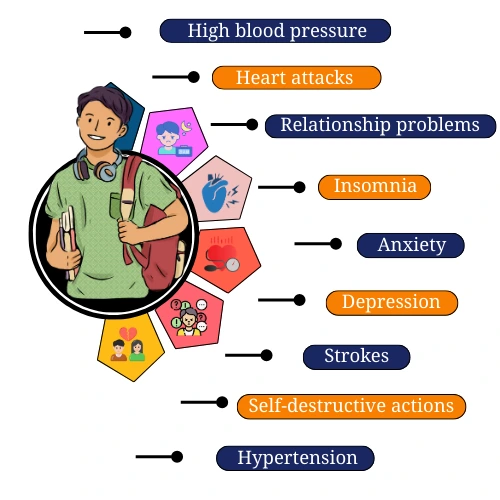
Do you know if anger and stress issues increase and go uncontrolled in your life, various health problems can happen, like:
- High blood pressure
- Heart attacks
- Strokes
- Insomnia
- Anxiety
- Depression
- Relationship problems
- Self-destructive actions
- Hypertension
Hence, there’s a direct link between anger and poor health conditions. Research clearly shows that when you take a lot of stress, you live 2.8 years less than expected. What’s worse is that you experience more fatigue in your everyday life and feel dissatisfied. Healing from such problems is not just a need, but a necessity. Here, counselling is a powerful, evidence-based tool to reduce anger and stress and to regulate emotions positively.
Counselling provides a safe space to express feelings and emotions openly and offers various coping techniques for dealing with similar difficulties or challenges. Overall, clients who received counselling report that their anger and stress levels decreased, and they experienced improvements in their mental health and quality of life.
5 Best Counselling Techniques For Anger And Stress Management
CBT Course helps people identify triggers, emotional responses to those triggers, and how to act positively under challenging situations. Best for managing anger responses, CBT turns your negative, unhelpful emotions into positive ones and helps you learn better or come up with alternative responses in any situation. Studies have already found how CBT works as an effective tool in reducing anger issues and various other stressors.
Mindfulness programs help people stay in the present moment in a state of nonjudgmental, safe awareness. This effectively reduces recurring stress and anger issues. Studies have already shown that mindfulness programs are effective. They have played a positive role in reducing stress from high to moderate and even low levels. For example, if there’s a heated argument within your family, a person who practices a 3-minute breathing practice can choose to delay their response and respond calmly.
Relaxation techniques are ways to regulate your emotions on your own, using slow-paced breathing, muscle relaxation, and time-outs to ease the fight-or-flight reactions that drive anger and stress symptoms. For instance, if a person whose anger spikes, they can breathe 4–6 times or walk in an open area to lower their heart rate before engaging in a tough conversation.
Best for emotional regulation, DBT is another effective technique to tolerate challenging situations or times of distress, and manage intense anger and stress without taking sudden actions. Research interviews and clinical observations have even found DBT best for uncontrollable anger issues, improving emotional regulation in a population with high emotional reactivity.
The last approach is using problem-solving and communication training. In counselling, this approach can be used, which starts with defining the problem, brainstorming different ways to respond, choosing the ideal one, identifying the pros/cons, and, lastly, planning and conducting the final review. This not only reduces escalations in stress and anger issues but also prevents interpersonal stressors.
Final Words
These were the five best counselling techniques to tackle anger and stress. It is essential to select the right counselling approach by assessing its effectiveness. Where cognitive-behavioral therapy stands out as a highly beneficial treatment approach, other methods such as DBT, mindfulness programs, and relaxation techniques can’t be overlooked.
Make sure to ask your counsellor which anger and stress management therapy will work best for you, so you receive the best support. If you are someone who feels you need quick help for your anger and related issues, Indian Counselling Services is here to guide you. So whether you are looking for one-to-one personalized counselling sessions or wish to learn CBT techniques, we have got you covered.
Let’s create a safe and supportive space for your better mental well-being. Connect today!